Driveway Observatories: The Volunteer Army Watching the Sun While You Sleep In
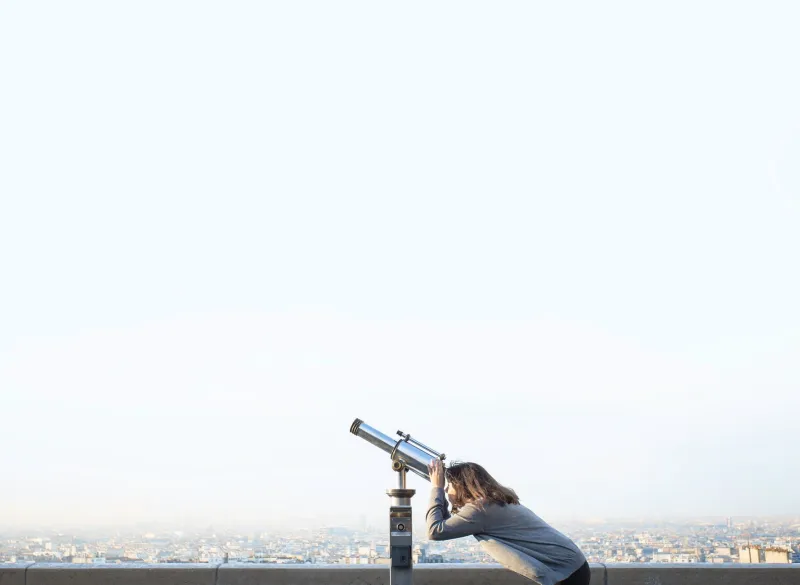
Somewhere in suburban Ohio right now, a retired schoolteacher is pointing a modified telescope at the Sun before her morning coffee gets cold. She's not killing time. She's counting sunspots — and her numbers are going into the same international databases that professional observatories use.
Welcome to amateur solar astronomy, the most underrated citizen science movement in America.
The $50 Entry Fee
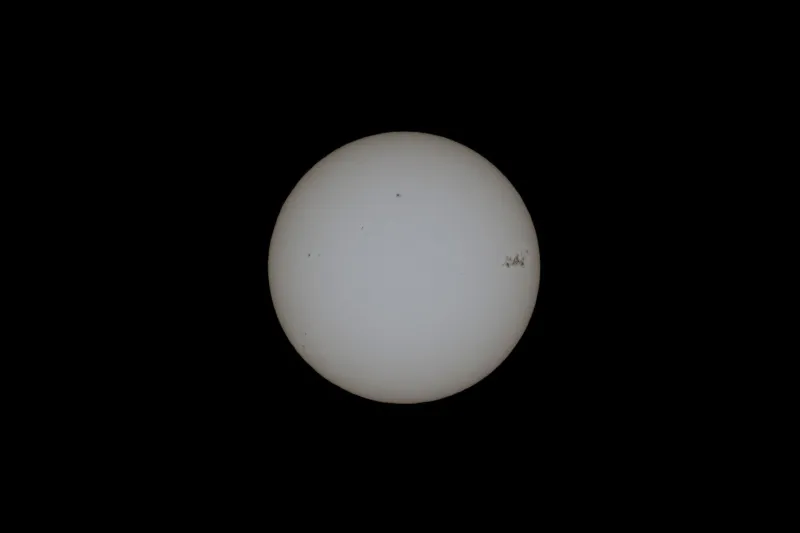
Here's the part that surprises everyone: you don't need a backyard dome or a six-figure rig. A basic white-light solar filter — the kind that slides over the front of an ordinary telescope — costs about the same as a nice dinner out. With it, you can see sunspot groups, the mottled granulation of the solar surface, and occasionally a sunspot so large it's visible at sunset through haze (never look directly without a filter — more on that in a minute).
Want to go deeper? Hydrogen-alpha telescopes, which isolate a specific wavelength of light emitted by hydrogen, reveal the Sun's dramatic side: glowing prominences looping off the limb, filaments snaking across the disk, the flickering fingerprints of flares. Entry-level H-alpha rigs run a few hundred dollars — real money, but a fraction of what hobbyists spend on fishing boats or golf clubs.
The point is this: the barrier to entry isn't money or talent. It's knowing the movement exists.
Real Science, Real Databases
The Association of Lunar and Planetary Observers (ALPO) and the American Association of Variable Star Observers (AAVSO) both run solar sections where amateur counts feed directly into long-term sunspot records. Because the Sun operates on cycles longer than any single career, consistency matters more than fancy equipment. A dedicated observer with the same modest telescope, logging the same way for twenty years, is scientifically priceless.
Amateurs also contribute to flare timing and monitor coronal holes visible in H-alpha and related setups. And when professional instruments are down for maintenance, or when weather blocks an observatory while a backyard observer in Arizona enjoys clear skies, the amateurs fill the gaps. The Sun doesn't take days off, and neither does the volunteer network watching it.
The Safety Sermon
Let's be blunt, because this is the one part of the hobby where mistakes are permanent: pointing an unfiltered telescope at the Sun will destroy your vision before you feel anything. Retinas have no pain receptors.
The rules are simple. Filters go on the front of the telescope, never the eyepiece end — the concentrated heat can crack an eyepiece filter in seconds. Buy filters from reputable astronomy dealers, not marketplace listings of unknown origin. Inspect the filter for pinholes before every session. And if you're starting with binoculars or a camera, the same rules apply, doubled.
Do it right, though, and solar observing is one of the safest and most convenient pursuits in astronomy. The target is out every clear day, conveniently scheduled during daylight hours when the kids are awake.
How to Start This Weekend
- Buy a certified white-light filter for whatever optics you already own, or grab an entry-level solar telescope if the budget allows.
- Learn the observing protocols from ALPO's solar section — consistent methodology is what turns a hobbyist into a data source.
- Log everything. Date, time, seeing conditions, sunspot groups, and a quick sketch or photo. Sketching, old-school as it sounds, trains your eye better than any camera.
- Submit your counts. The first time your observation joins a dataset used by researchers, the hobby changes forever.
The Sun is currently giving observers plenty to look at, and the professionals can't watch it alone. Fifty bucks, one filter, one clear morning — that's the whole cost of admission to the most important star within forty light-years.
Not a bad deal.