The Sun Has a Soundtrack — And Scientists Are Learning to Read It Like Sheet Music
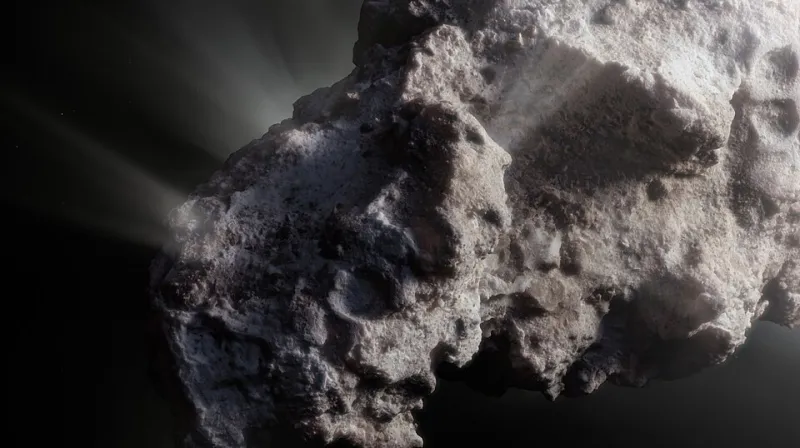
Photo: ESO/M. Kormesser, CC BY 4.0, via Wikimedia Commons
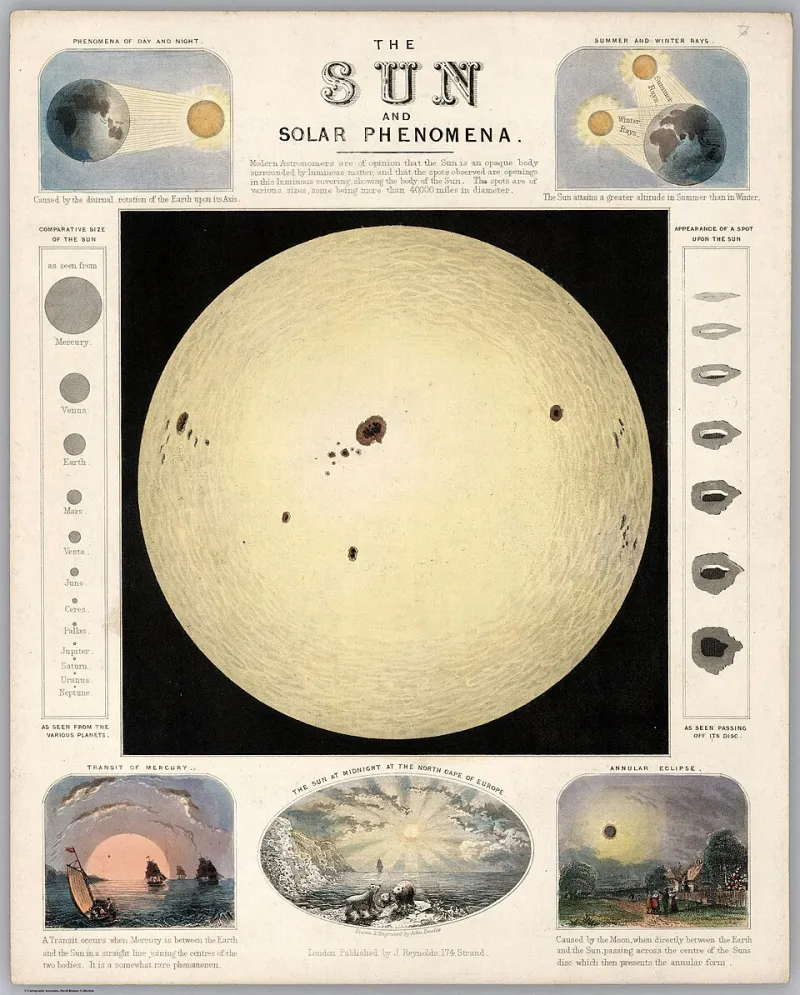
Close your eyes and imagine the Sun. You're probably picturing something loud — a furnace, a fireball, the biggest explosion for ninety-three million miles in every direction.
Here's the twist: the Sun is also one of the quietest objects in the solar system. Sound doesn't travel through the vacuum of space, so all that violence happens in total silence. But not inside. Inside, the Sun is positively deafening.
The Star That Rings Like a Bell
The Sun's interior is a churning, boiling mess, and all that convection generates pressure waves — acoustic oscillations that bounce around the solar interior the way sound bounces around a cathedral. The Sun isn't just ringing; it's ringing with millions of overlapping modes at once, like a bell struck continuously by a million tiny hammers.
These oscillations show up on the surface as tiny up-and-down motions, and that's what helioseismologists — the scientists who study them — spend their careers measuring. The dots on the Sun's surface shift by mere meters, but instruments like the Global Oscillation Network Group (GONG) and NASA's Solar Dynamics Observatory catch them anyway, watching the whole disk breathe in and out every five minutes or so.
If you take the Doppler data and shift the frequencies up into the human hearing range — a process called sonification — you get audio. And the audio is... not what you'd expect. It's less "cosmic symphony" and more "a parking garage in an earthquake." A low, restless hum overlaid with a crackle. Scientists at Stanford's solar group have been publishing these conversions for years, and hearing the Sun's actual oscillations — even sped up forty-two times — does something to your brain that no graph can. This isn't a metaphor. It's the Sun's real vibration, translated for your ears.
Why the Noise Matters More Than the Music
The poetry of solar sound is fun, but the actual science is where it gets serious. Because sound waves travel through the Sun, they carry information about what they passed through — density, temperature, composition, and crucially, the twists of magnetic field buried deep below the surface where no telescope can look.
Think of it like sonar. A submarine can't see the ocean floor, but it can listen to echoes and build a picture. Helioseismology does the same thing with the Sun's far side: by reading how waves speed up or slow down, researchers can detect sunspot clusters forming on the hemisphere pointed away from Earth, days before they rotate into view. Space weather forecasters at NOAA already fold far-side imaging into their operational outlooks.
But the bigger prize is the solar dynamo — the engine, some 200,000 kilometers down, that generates the Sun's magnetic field and drives the whole 11-year cycle. If scientists can read the dynamo's state directly from acoustic data, cycle prediction stops being extrapolation and starts being measurement.
The Early-Warning Problem
Right now, predicting a solar cycle is a bit like predicting the stock market with a newspaper from two years ago. The official forecast for the current cycle was revised dramatically after it began; the consensus panels have a long history of being wrong in both directions.
Several research groups are trying to change that using helioseismic signatures — looking for subtle shifts in how the interior oscillates that precede the visible rise or fall of activity. The idea is that the dynamo doesn't flip a switch; it drifts. And drift leaves fingerprints in the sound.
Nobody's calling it a solved problem. The signals are faint, the datasets span only a few decades, and the interior is hideously complicated. But the direction of travel is clear: the more we listen, the more the Sun's "soundtrack" looks less like ambiance and more like a diagnostic — the difference between hearing a weird noise in your car's engine and waiting for the warning light.
For a civilization that runs on satellites and power grids, that difference could matter a lot. The next big solar storm won't send a courtesy email. But it might, if we're paying attention, send a sound.